Gravel Driveway Repair With Drainage Grading and Fresh Road Mix
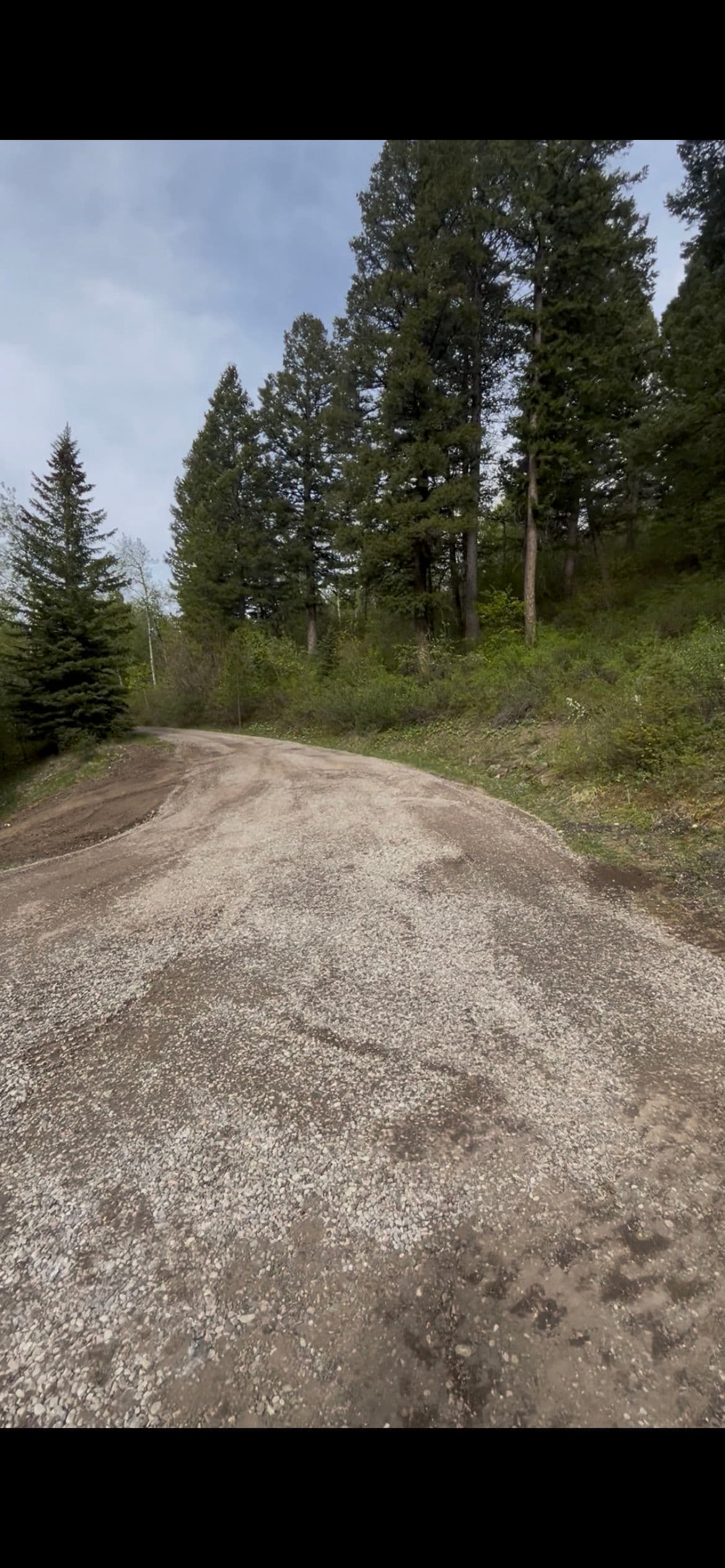
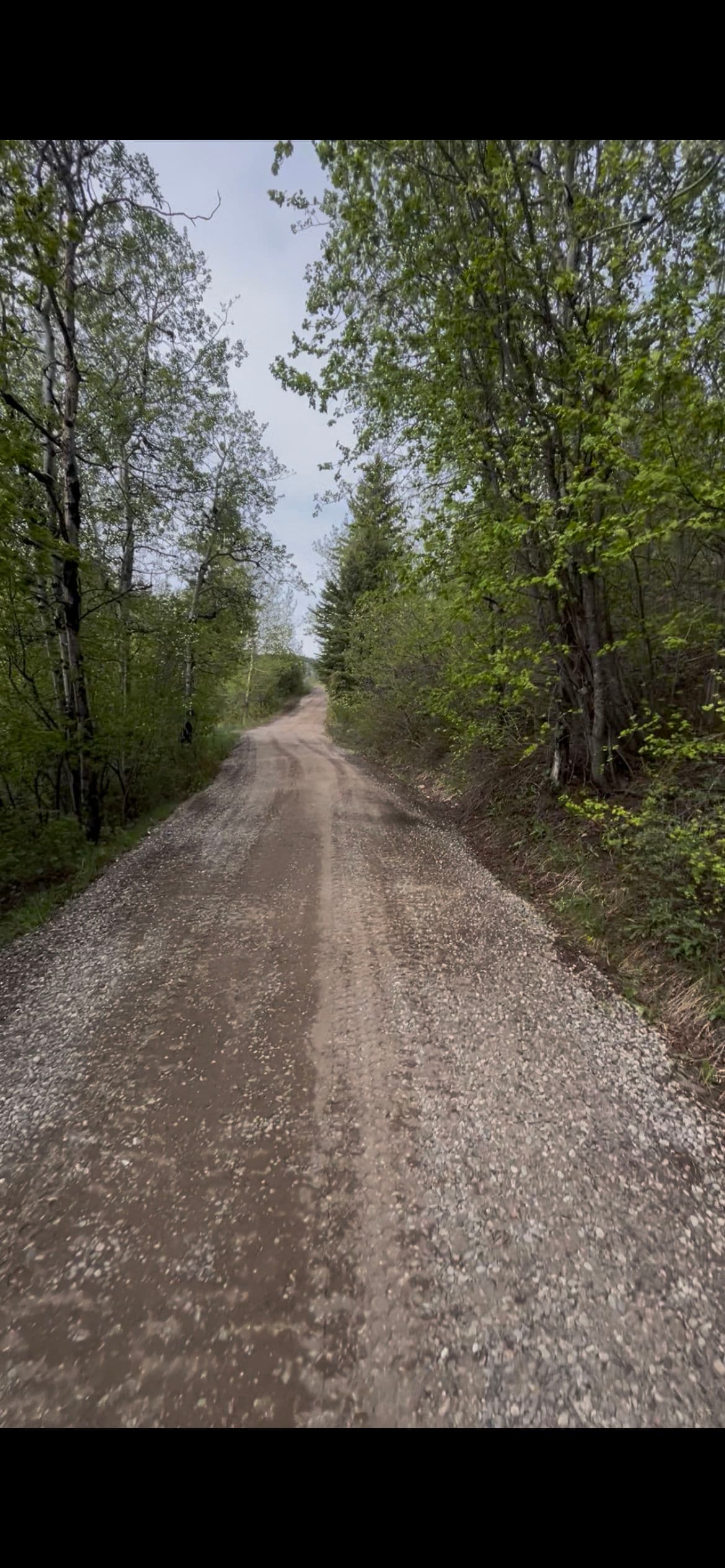
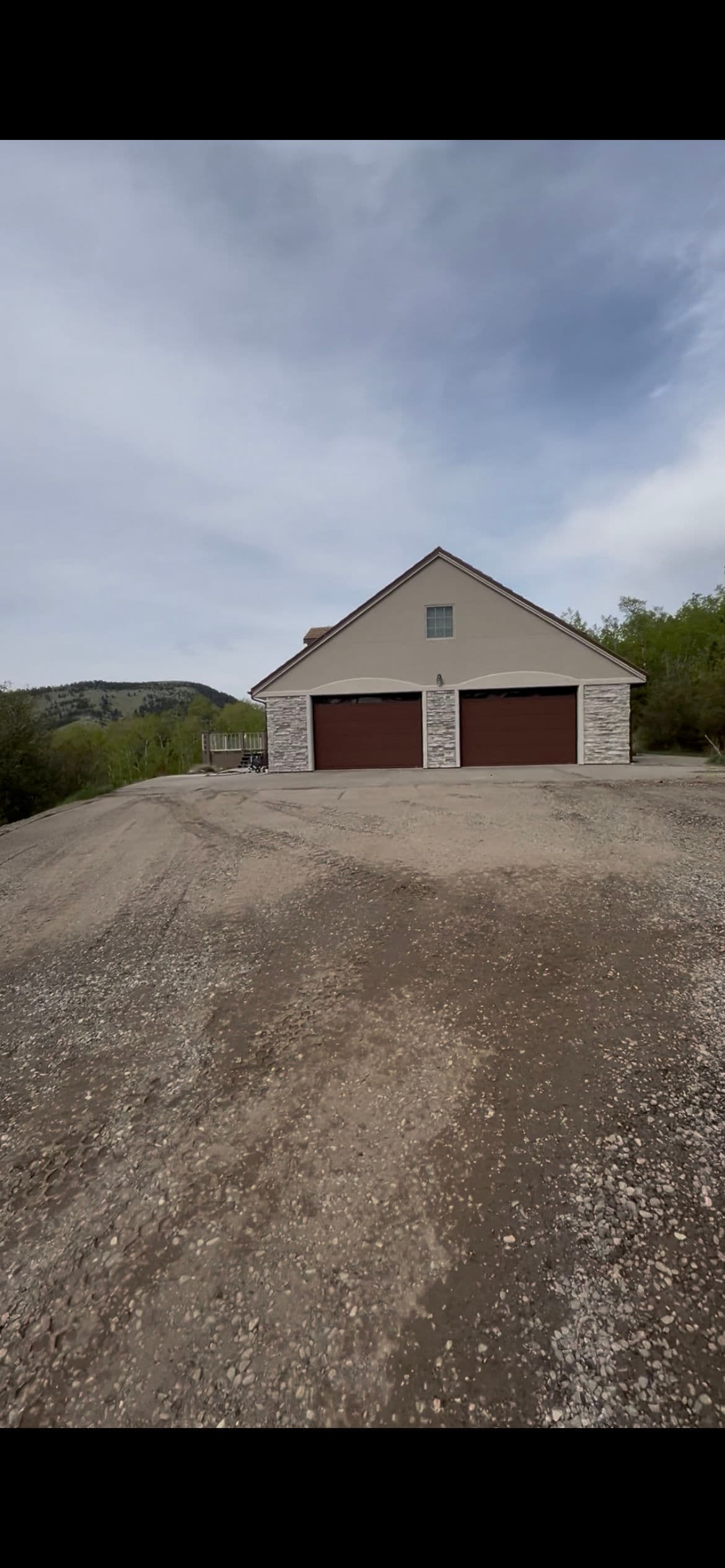
A gravel driveway that holds up long-term isn't just about throwing down rock. It's about drainage. When water has nowhere to go, it sits. And when it sits, you get soft spots, rutting, and eventually a road that's more of a liability than a surface.
That's exactly what we were dealing with here. The grade had flattened out over time, which means water was pooling instead of running off. Once that happens, the road mix underneath gets saturated and starts to fail. It doesn't take long before you've got a real mess on your hands.
We went in and restored the grade first - that's the foundation of any good driveway repair. Getting the slope right is what gives water a clear path off the surface. From there, we brought in fresh road mix and worked it in properly so the surface has both the structure and the drainage it needs to hold up through wet weather and heavy use.
The long wooded stretch leading up to the garage pad shows how much ground this kind of work can cover. It's not a quick fix - it takes real grading knowledge to get the crown and pitch right from one end to the other. But when it's done correctly, the difference in how the road sheds water is immediate.
If your gravel driveway is starting to show soft spots, low areas, or signs of washout, the problem usually isn't the gravel - it's the grade underneath. Our grading services and site preparation work address the root cause so the surface actually lasts.